- 1
- 1
- 1
- 1
Featured
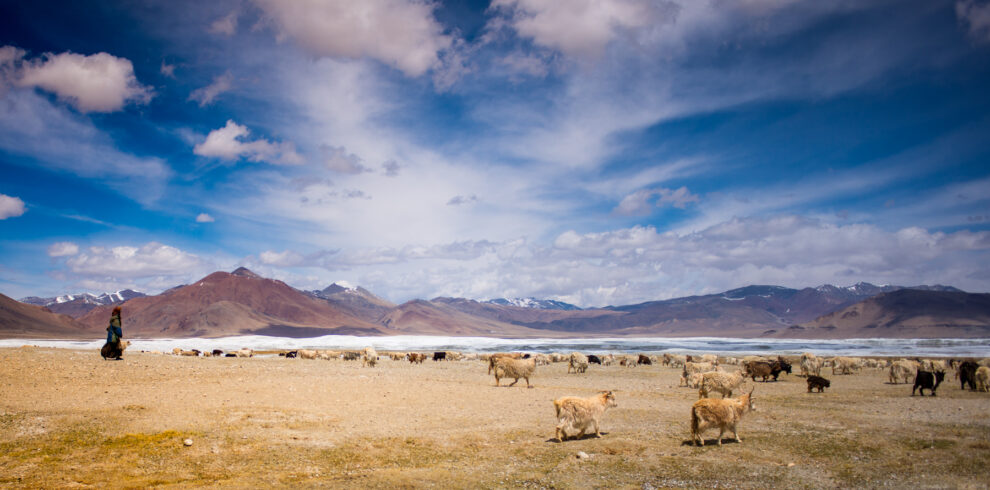
Discover the exquisite artistry of Ladakh’s famed Pashmina, a journey that weaves together culture tradition and breathtaking landscapes. The “Woven Whispers of Ladakh:The Pashmina Trail”...
Changthang, Nubra Valley, Pangong Lake
2 People
Duration
10 Days - 9 Nights
Featured
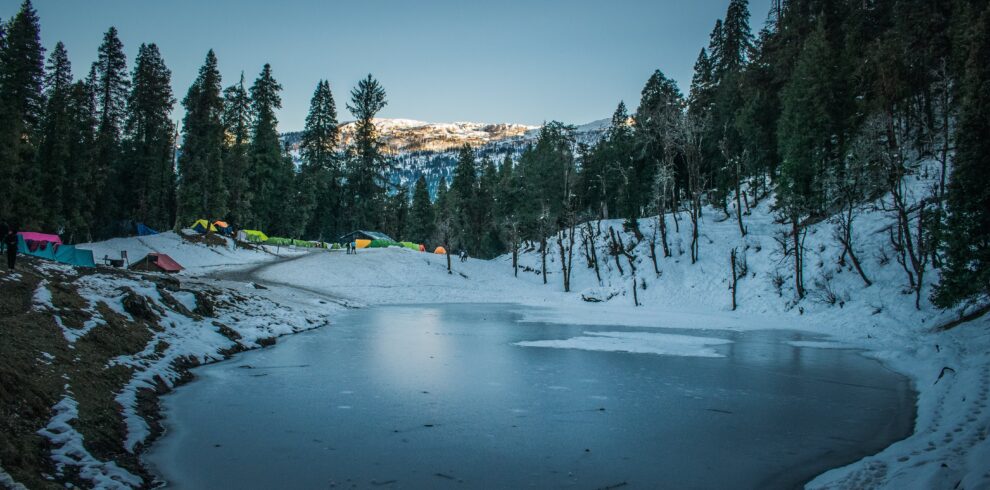
Frozen Ladakh Tour is a perfect winter getaway tour for Ladakh. Experience the Frozen Valleys and Lakes of Ladakh with our Special Frozen Ladakh Tour....
Pangong Lake, Sham Valley, Zanskar
1 People
Duration
6 Days - 5 Nights
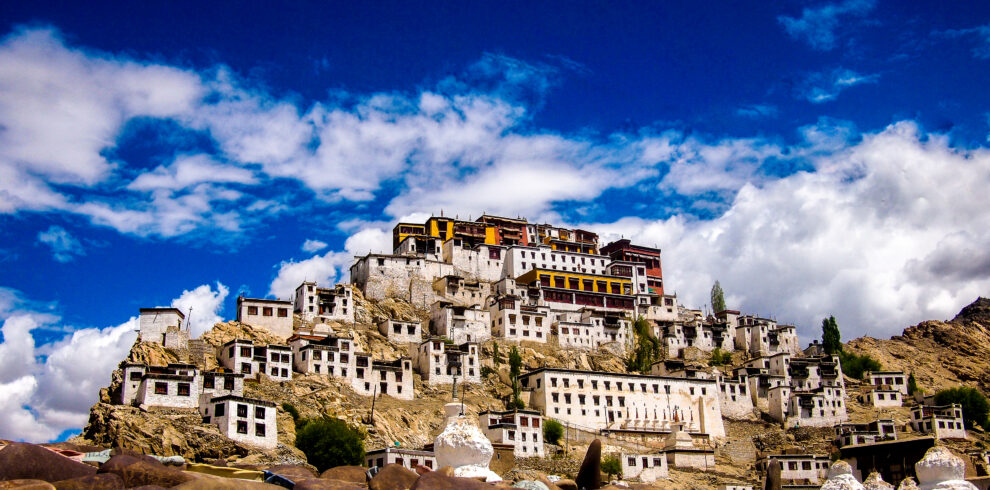
Embark on a fascinating journey to explore the heritage of Ladakh. Witness the grandeur and spirituality of ancient monasteries, take a stroll through picturesque valleys...
Leh, Nubra Valley, Pangong Lake, Sham Valley
2 People
Duration
7 Days - 6 Nights
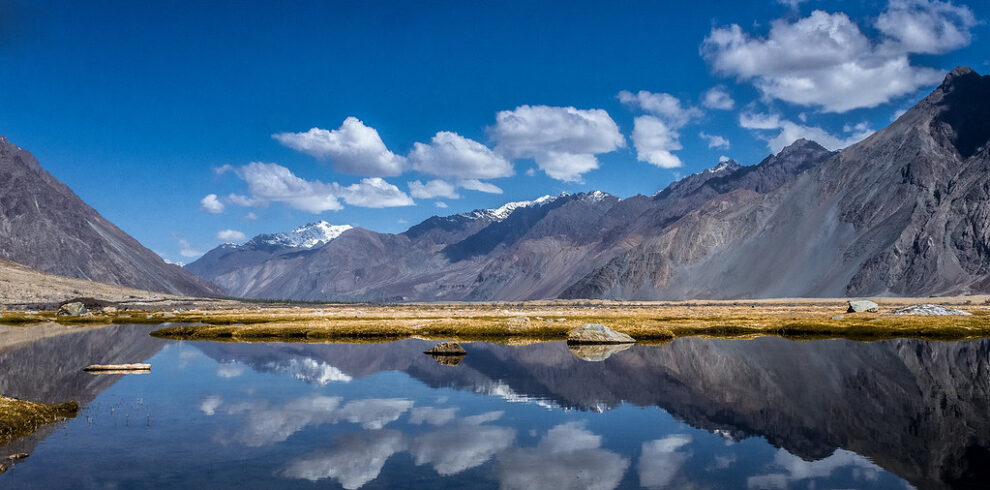
Mesmerising Ladakh covers all the places in Ladakh, which a tourist must visit during their travel to Ladakh. Experience the spirituality of of key monasteries...
Leh, Nubra Valley, Pangong Lake, Sham Valley
1 People
Duration
8 Days - 7 Nights
Featured
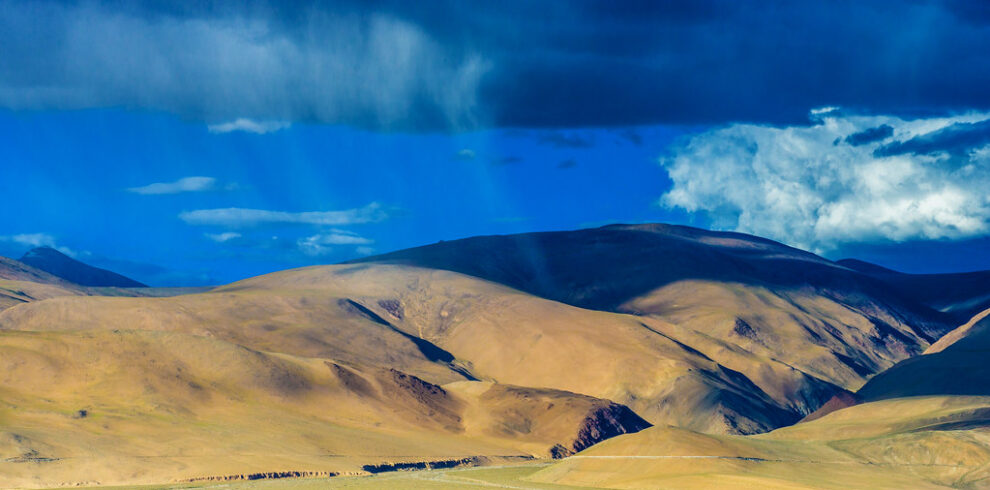
Nomadic Ladakh tour is the most remarkable nomadic experience that you won't find anywhere else. Our eight days tour takes you on an unforgettable journey...
Duration
8 Days - 7 Nights
Featured
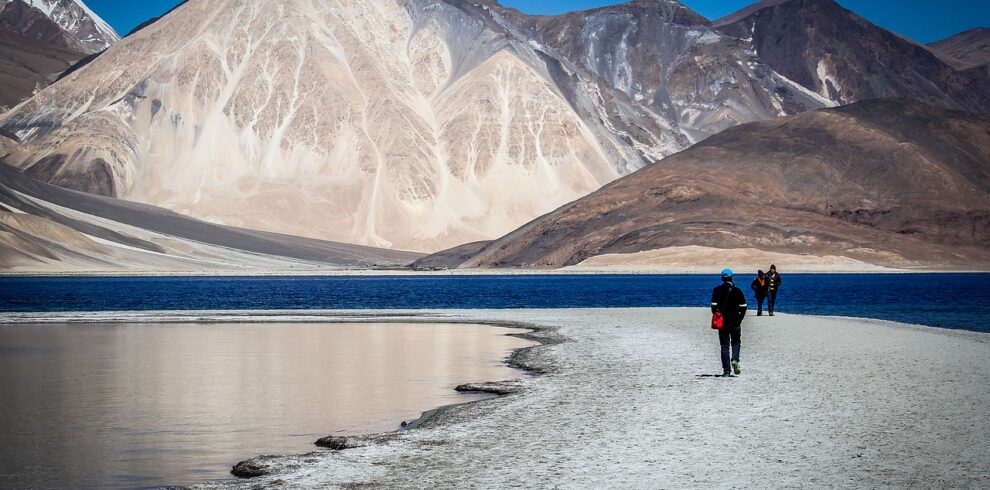
Leh region gives you the experience of the highest motorable passes in the world along with the incomparable beauty of the mountains covered with snow....
Leh, Nubra Valley, Pangong Lake, Sham Valley
1 People
Duration
5 Days - 4 Nights